
EV Charger Adapter 101: Don’t make this charging mistake (NACS vs CCS vs J1772)
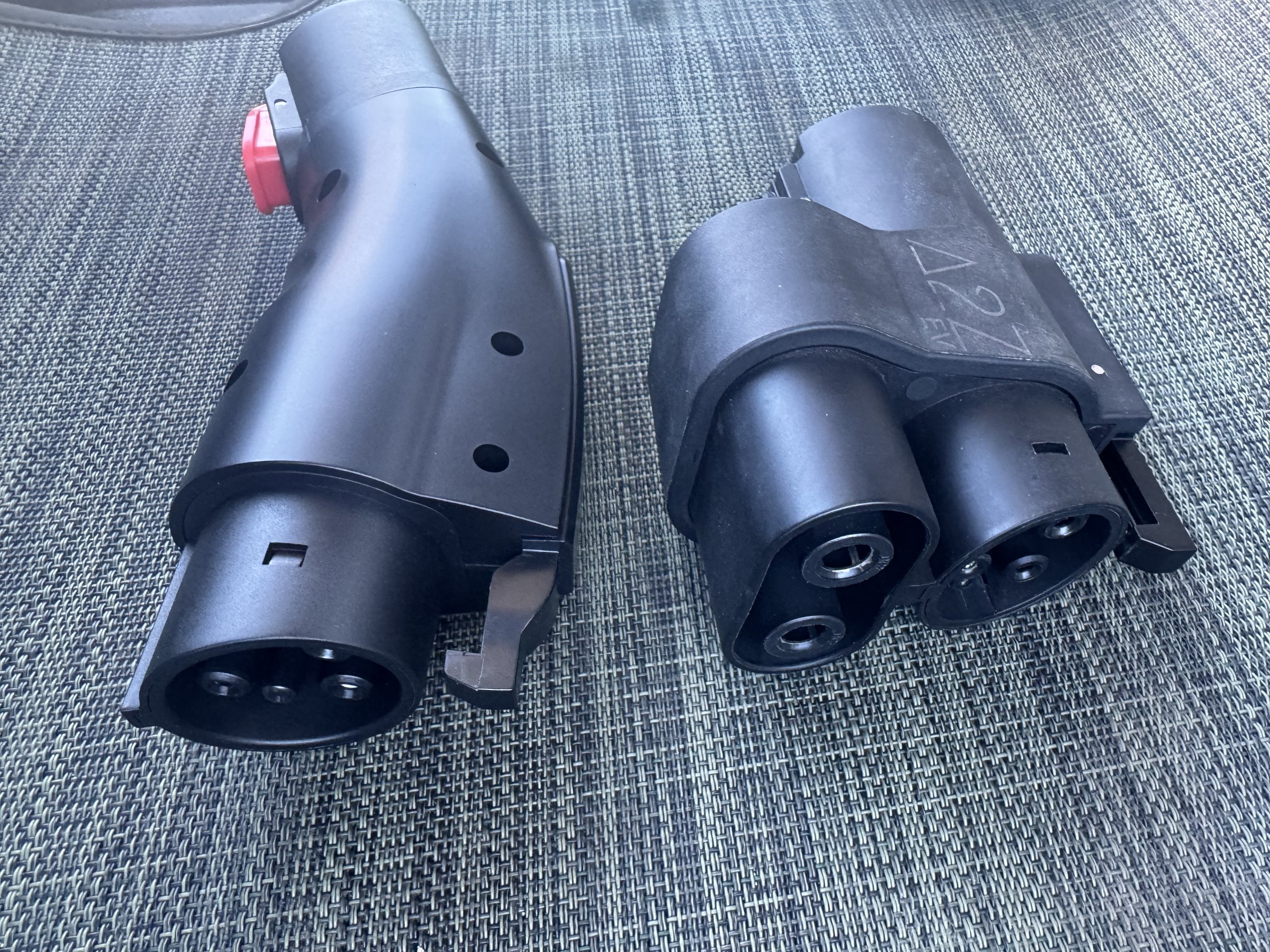
Here are my J7172 adapter on the left and the CCS for supercharging on the right
If you’ve ever pulled up to a charging station, stared at the plug, and thought *“wait… is this even going to fit my car?”* — you’re not alone.
I learned this the hard way.
When I bought my Rivian R1T, I actually flew down to Tennessee to pick it up and drove it all the way back to Connecticut. Awesome trip overall… but figuring out charging along the way? Not so awesome. At the time, I didn’t fully understand the difference between CCS and J1772. I assumed an adapter was an adapter.
It’s not.
I ended up buying the wrong one first (J1772) because when I typed NACs adapter it was the one that showed up. Well I found out it didn’t work last minute, and had to scramble to get a CCS adapter on Facebook marketplace driving hours out of my way the day of my flight. Not exactly what you want to deal with during a trip.
So if you’re new to EVs—or installing a charger at home—I just wanted to create a simple guide to explain the differences.
QUICK SUMMARY: In case you can’t read it all. The main issue I had was realizing that the Tesla NACS works for any speed of charging but for other vehicles J1772 is the adapter for level 1 or 2, and CCS is the one for fast charging. So if you are planning to use a Tesla fast charger you need the CCS to NACS adapter, but if you planning to use it for a Tesla wall connector at home you need to get the J1772 to NACS adapter instead.
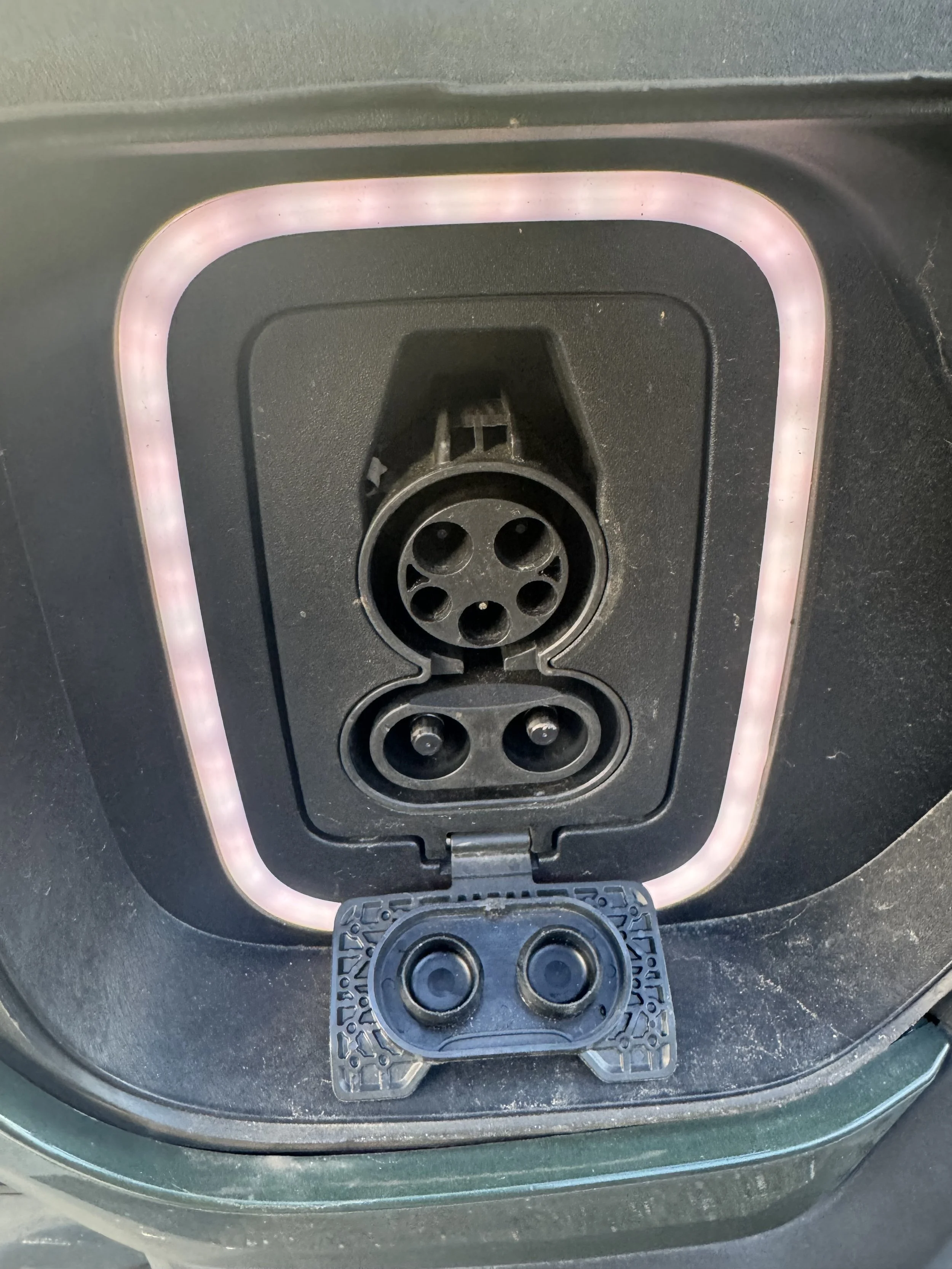
Below I explain in more details…
The 3 Main EV Charging Connectors
1. J1772 (Level 1 & Level 2 Charging)
This is the most common plug you’ll see for home chargers and public Level 2 stations because most car companies adapted this style in North America.
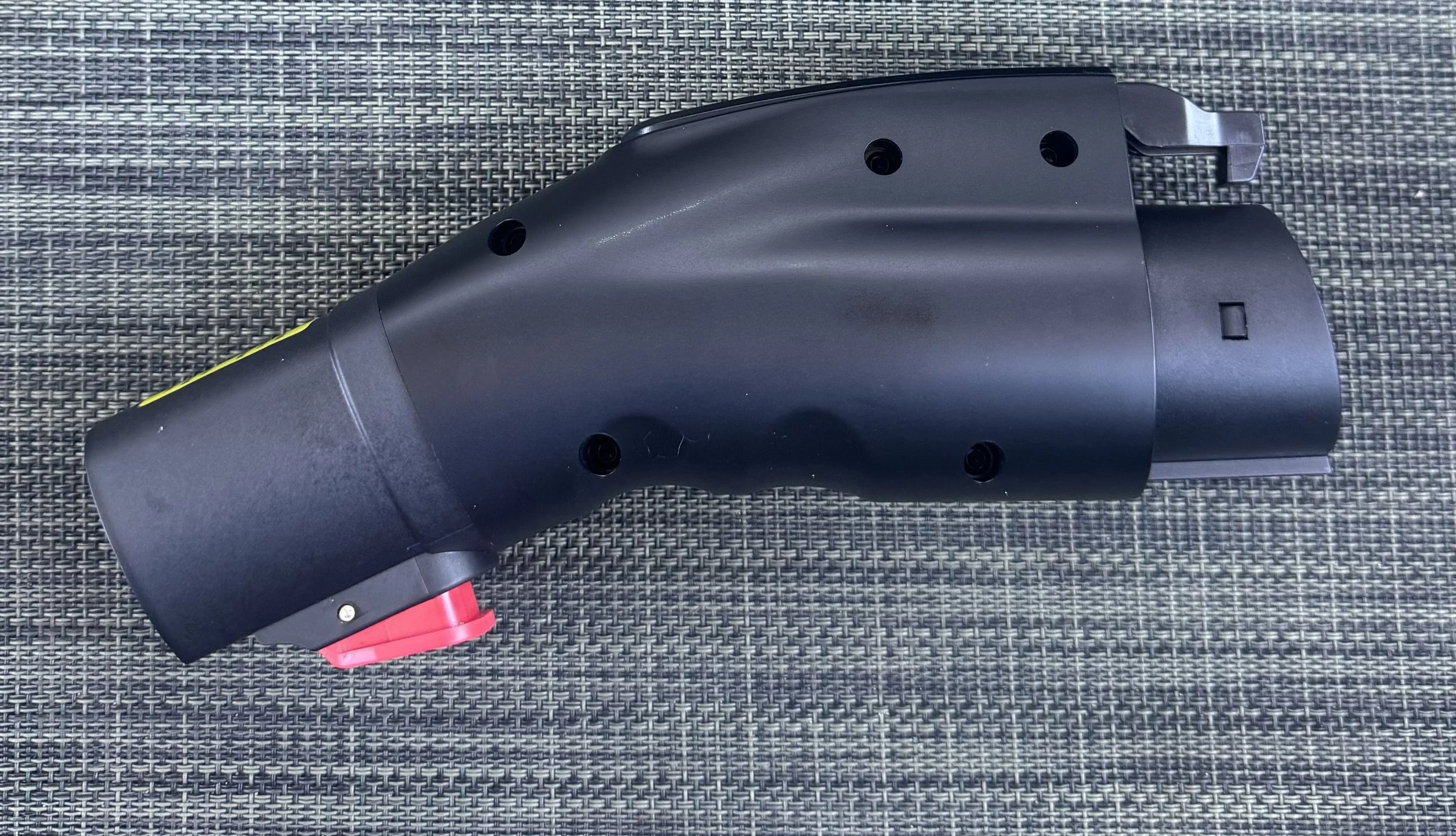
J1772 Adapter
What it’s used for:
Home charging setups
Public Level 2 chargers (think parking lots, workplaces, etc.)
Good to know:
Almost every EV (except Tesla without an adapter) uses J1772 for AC charging. (As of late 2025 some companies are now transitioning their vehicles to the Tesla NACS charging port)
It’s slower than fast charging, but perfect for overnight charging
If you’re installing a home EV charger, there’s a very good chance it will use J1772.
2. CCS (DC Fast Charging)
This is basically J1772 with two extra pins added at the bottom for fast charging.
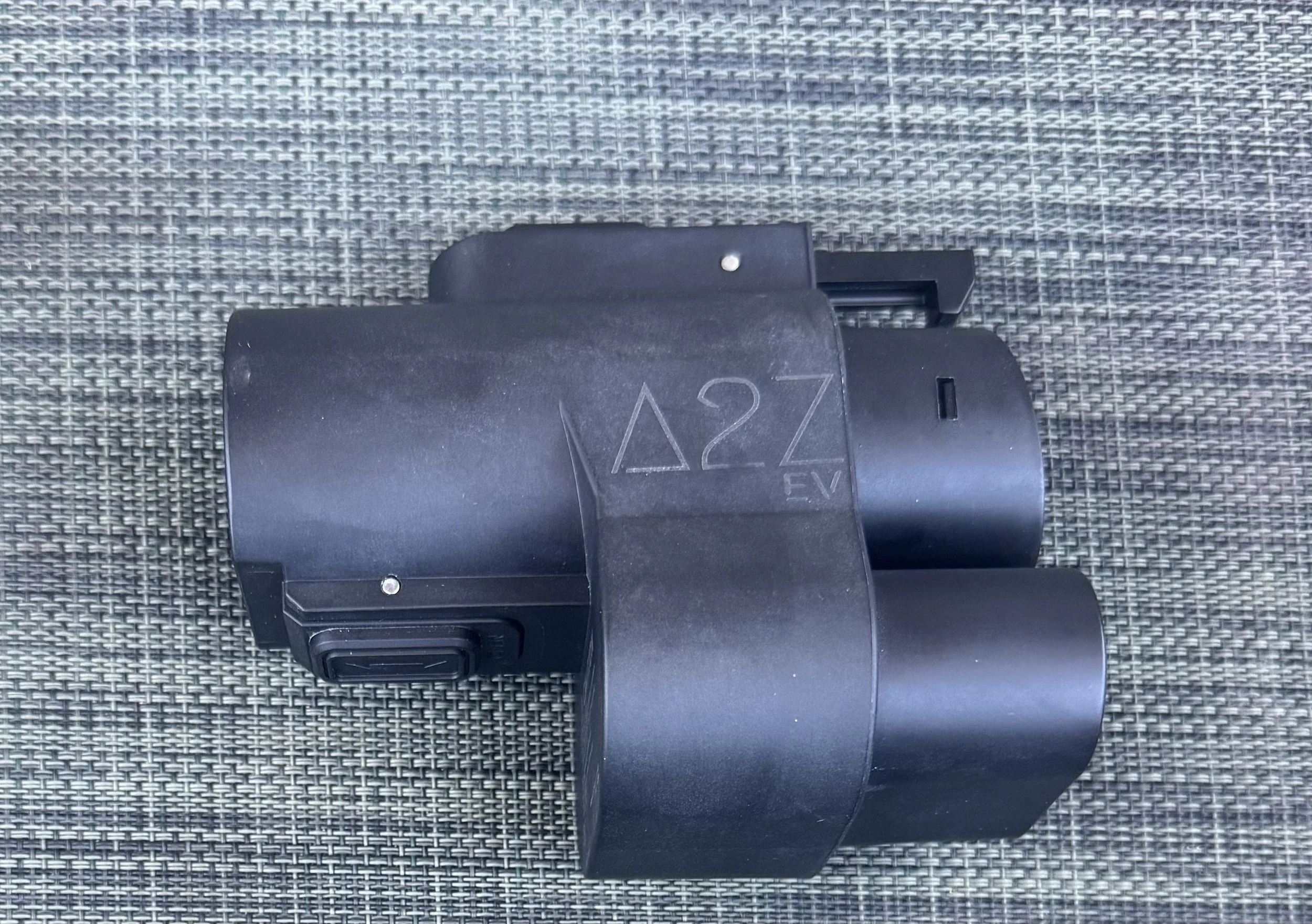
What it’s used for:
DC fast chargers (highway travel, road trips)
Rapid charging when you need to get back on the road quickly
Good to know:
This is what most non-Tesla EVs use for fast charging
Way faster than Level 2 charging
If you’re planning road trips, CCS is the one that matters.
3. NACS (Tesla Plug)
This is Tesla’s connector, now becoming the new standard across the industry.
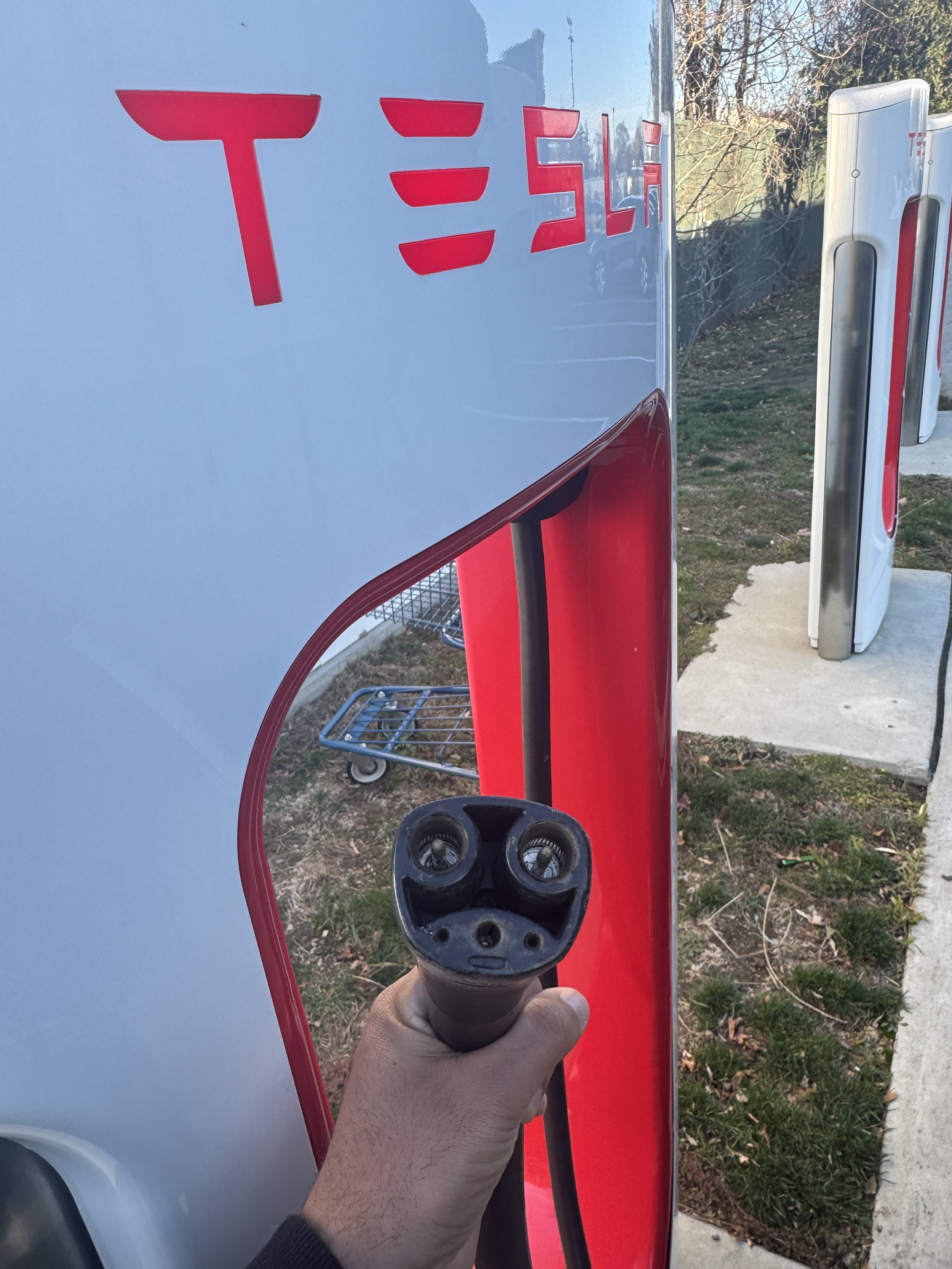
What it’s used for:
Tesla Superchargers
Tesla home chargers
Increasingly being adopted by other manufacturers
Good to know:
Smaller, simpler design
Many automakers (including Rivian, Ford, GM) are transitioning to this standard
This is where things are heading long-term.
So… When Do You Actually Need an Adapter?
Here’s the simple way to think about it:
You probably need an adapter if:
You want to use a Tesla charger with a non-Tesla vehicle
You’re mixing charging networks (which most people do)
You’re road-tripping and want flexibility
Real-world examples:
Scenario 1: Charging at home
No adapter needed if your charger matches your car (most use J1772)
Scenario 2: Using public Level 2 chargers
Usually J1772 → no adapter needed for most EVs
Scenario 3: Fast charging on the road
Most non-Tesla EVs need CCS
If you’re using Tesla Superchargers, you may need a NACS adapter depending on your vehicle and access
The Mistake I Made (So You Don’t Have To)
When I picked up my R1T, I knew I could use Tesla chargers—but I didn’t realize:
J1772 ≠ fast charging
CCS is what I actually needed for road trips
I bought a J1772 adapter thinking I was covered… and it didn’t work when I needed fast charging.
That moment of standing at a charger, realizing you’ve got the wrong equipment, is not fun…
Lesson learned:
**Match the adapter to the type of charging—not just the plug shape.**
Quick Cheat Sheet
J1772 = Home + Level 2 (slow/overnight)
CCS = Fast charging (road trips)
NACS = Tesla network (future standard)
Final Thoughts (From an Electrician’s Perspective)
From what we’re seeing in the field, EV charging is evolving fast. More homes are upgrading panels, adding dedicated circuits, and planning ahead for multiple vehicles.
If you’re installing a charger at home, the biggest thing is making sure:
Your electrical panel can handle the load
You’re installing the right charger for your vehicle (and future vehicles)
Adapters are helpful—but starting with the right setup saves a lot of headaches.
Need Help Setting Up Your EV Charger?
If you’re in Connecticut and thinking about installing a home EV charger, upgrading your panel, or just want to make sure you’re choosing the right setup, feel free to reach out.
We deal with this stuff every day—and we’ll make sure you don’t end up stuck at a charging station with the wrong adapter like I did.